
The Role of Artificial Intelligence in Medical Technology
Explore how artificial intelligence is transforming healthcare technology and medical devices, enhancing diagnostics and patient care.
Artificial Intelligence (AI) is revolutionizing the landscape of medical technology, providing healthcare professionals with advanced tools to enhance diagnosis, treatment, and patient care. As AI continues to evolve, its applications in medical devices and hospital equipment are becoming increasingly significant, leading to improved outcomes and efficiency in healthcare settings.
AI-Powered Medical Devices and Diagnostic Equipment
One of the most notable impacts of AI in healthcare is its integration into diagnostic equipment. AI algorithms can analyze large datasets more efficiently than traditional methods, enabling faster and more accurate diagnoses. For instance, AI is utilized in imaging technologies such as MRI and CT scans, where it can assist radiologists by identifying anomalies that may be missed by the human eye.
Moreover, AI-enhanced diagnostic tools can process and interpret vast amounts of data from patient records, laboratory tests, and imaging studies, leading to more informed clinical decisions. This capability not only streamlines the diagnostic process but also reduces the workload of healthcare professionals, allowing them to focus on patient care.
Healthcare Technology Innovations and Surgical Instruments
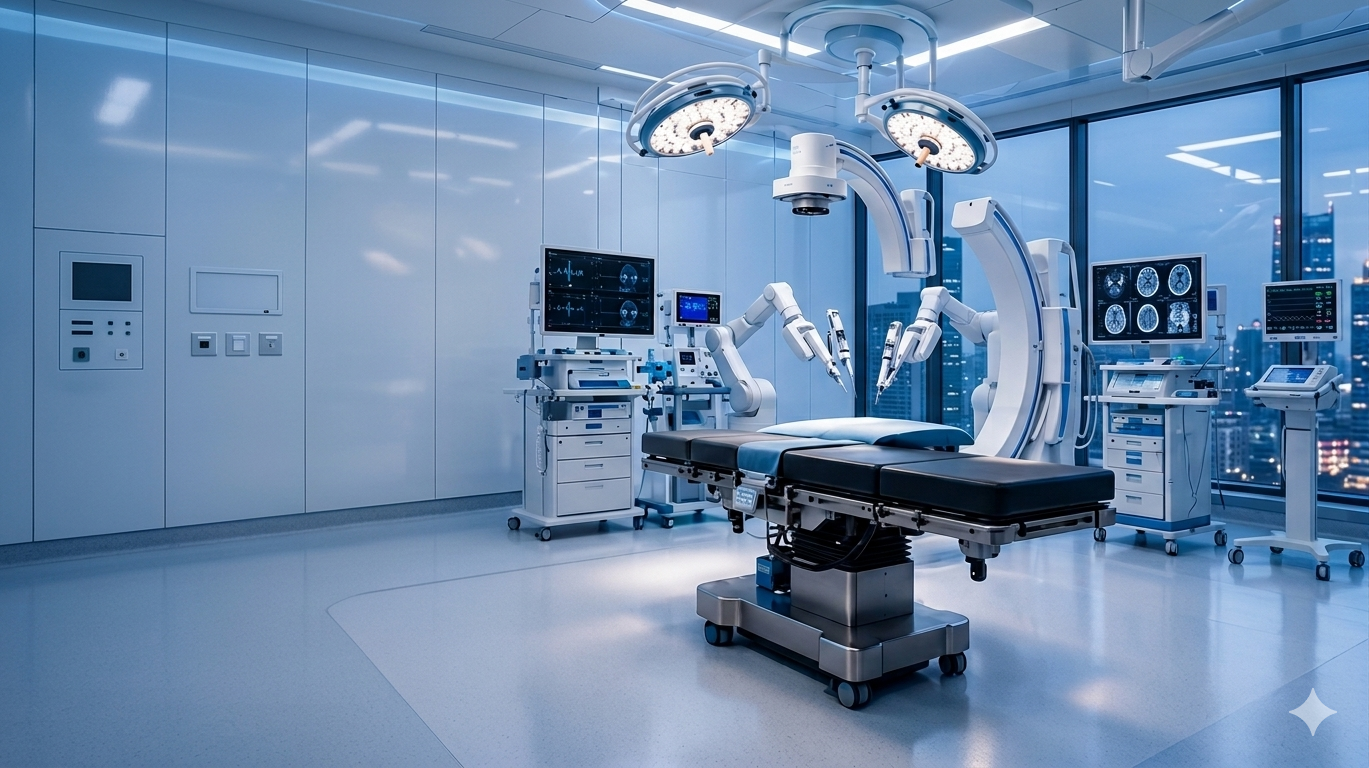
In addition to diagnostic applications, AI is also transforming surgical instruments and procedures. Robotic surgical systems, equipped with AI capabilities, are now being used in various surgical disciplines. These systems offer enhanced precision and control, allowing surgeons to perform complex procedures with minimal invasiveness.
AI algorithms can analyze real-time data during surgeries, providing surgeons with critical information that can help in making quick decisions. This innovation not only improves patient safety but also enhances surgical outcomes, leading to shorter recovery times and reduced hospital stays.
Furthermore, AI can assist in pre-operative planning by simulating different surgical scenarios, helping surgeons to strategize the best approach tailored to individual patients. This personalized approach, driven by AI, represents a significant advancement in surgical technology.
Enhancing Patient Care with AI-Driven Solutions
Beyond diagnostics and surgical procedures, AI is also playing a crucial role in patient care management. Healthcare technology solutions powered by AI can monitor patients' vital signs in real-time, alerting medical staff of any anomalies that require immediate attention. This proactive approach to patient monitoring can significantly reduce the risk of complications and enhance overall patient safety.
AI-driven platforms can also facilitate personalized treatment plans by analyzing patient data, including genetics, lifestyle, and medical history. This tailored approach to healthcare ensures that patients receive the most effective treatments, ultimately improving their health outcomes.
Additionally, AI can support telemedicine initiatives by providing virtual health assistants that can interact with patients, answer their questions, and guide them through their healthcare journey. This accessibility to medical advice and support enhances patient engagement and satisfaction.
The integration of AI in healthcare extends beyond individual devices; it encompasses a broader ecosystem of medical technology. As healthcare systems worldwide adopt these innovations, the importance of a robust B2B marketplace for medical equipment and devices becomes increasingly evident. Platforms like MellMed facilitate access to cutting-edge healthcare technology, connecting manufacturers and providers with the latest advancements in medical devices.
For professionals looking to stay ahead in the evolving field of medical technology, exploring AI applications in healthcare equipment is essential. From enhancing diagnostic capabilities to improving surgical precision and patient management, AI is undeniably shaping the future of healthcare.
In conclusion, artificial intelligence is a transformative force in the medical technology sector. Its applications in diagnostic equipment, surgical instruments, and patient care management are paving the way for enhanced healthcare delivery. As the industry continues to innovate, medical professionals must embrace these advancements to provide the best possible care. To discover a range of medical equipment and keep up with the latest in healthcare technology, browse medical equipment listings on MellMed.
For those interested in contributing to this exciting field, consider exploring job opportunities in healthcare technology or connecting with manufacturers leading the way in AI and medical devices.
Source: Original article
Author
MellMed Editorial