
The Future of Surgical Robotics: Enhancing Precision with Medical Technology
Explore how surgical robots are revolutionizing the landscape of healthcare technology, offering enhanced precision and efficiency in medical procedures, and the challenges they face before widespread adoption.
In recent years, the integration of robotic systems into surgical procedures has transformed the way healthcare professionals approach complex medical tasks. Surgical robots, equipped with advanced medical technology, have shown immense potential for enhancing precision, improving patient outcomes, and streamlining surgical workflows. As we delve into the world of medical devices and hospital technology, it is essential to explore the current capabilities, benefits, and challenges associated with the implementation of humanoid robots in surgery.
Advancements in Surgical Robots and Medical Devices
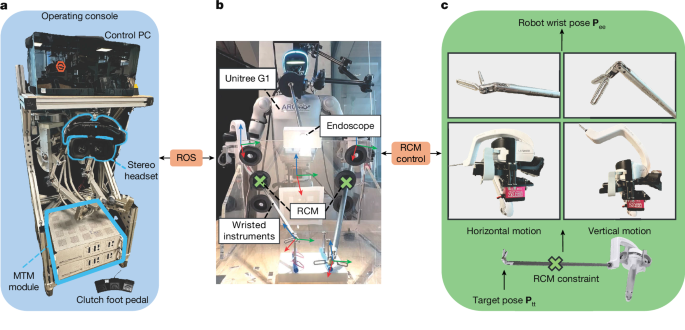
Modern surgical robots are designed to assist surgeons in performing intricate procedures with greater accuracy and control than traditional methods. These systems often include high-definition cameras and robotic arms that can manipulate surgical instruments with minimal invasiveness. The ability to perform laparoscopic tasks through teleoperation is a significant milestone that highlights the capabilities of contemporary humanoid robots. This advancement not only allows for enhanced precision but also reduces the risks associated with human error during surgery.
One of the primary advantages of utilizing surgical robots is their potential to improve patient recovery times. Compared to conventional open surgeries, robotic-assisted procedures often result in smaller incisions, reduced blood loss, and minimized trauma to surrounding tissues. Consequently, patients benefit from shorter hospital stays and quicker return to normal activities, which is a significant consideration in today’s healthcare landscape.
Challenges in the Adoption of Robotic Surgery
Despite the promising applications of surgical robots, certain technical challenges must be addressed before widespread clinical deployment can occur. One of the primary hurdles is the need for extensive training and skill development among healthcare professionals. While robotic systems can enhance surgical precision, they also require surgeons to adapt to new workflows and techniques. Comprehensive training programs are essential to ensure that medical professionals are proficient in the use of these advanced medical devices.
Another challenge lies in the integration of robotic systems within existing hospital equipment and infrastructure. Healthcare facilities must evaluate their current setup to accommodate the sophisticated technology that comes with surgical robots. This may involve significant investments in both hardware and software to ensure that the technology operates seamlessly within the hospital's ecosystem.
The Role of B2B Marketplaces in Advancing Healthcare Technology
As the demand for cutting-edge medical equipment continues to rise, B2B marketplaces like MellMed play a crucial role in facilitating access to the latest healthcare technology. These platforms connect healthcare providers with manufacturers of medical devices, ensuring that hospitals and clinics can acquire the necessary equipment to enhance their surgical capabilities. By streamlining the procurement process, MellMed enables healthcare institutions to stay at the forefront of medical advancements.
Moreover, B2B marketplaces provide a wealth of information on the latest innovations in medical technology, including robotic surgical systems. Decision-makers in healthcare can access comprehensive product specifications, reviews, and comparisons to make informed choices about the equipment that best meets their needs. This transparency fosters a competitive environment that ultimately benefits patients through improved surgical options.
The Future of Surgical Robotics in Healthcare
Looking ahead, the future of surgical robotics in healthcare appears promising. As technology continues to evolve, we can anticipate even greater enhancements in the capabilities of robotic systems. Innovations such as artificial intelligence and machine learning may further refine the precision of surgical robots, enabling them to assist surgeons in real-time decision-making during procedures.
In conclusion, the integration of humanoid robots into surgical practices represents a significant advancement in medical technology. While challenges remain in terms of training and infrastructure, the potential benefits of surgical robots are undeniable. With the support of B2B marketplaces like MellMed, healthcare providers can access the medical devices necessary to revolutionize their surgical practices, ultimately leading to better patient outcomes and enhanced efficiency in the operating room.
Source: Original article
Author
MellMed AI Editorial