
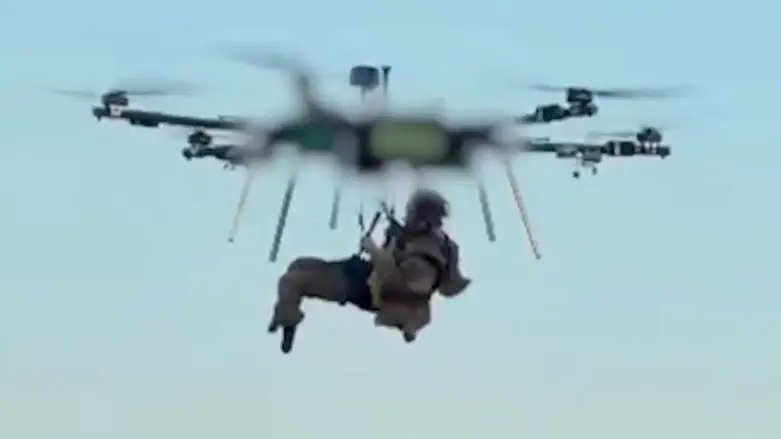
Innovations in Medical Technology: The Role of Drones in Emergency Medical Evacuations
Explore how drones are revolutionizing medical evacuations and enhancing emergency response capabilities in critical situations.
The integration of advanced technology into healthcare has seen remarkable advancements in recent years, particularly in the realm of emergency medical services. One of the most groundbreaking developments is the use of drones in medical evacuations, especially in conflict zones where traditional methods may be hindered. This innovative approach is reshaping how we think about medical equipment and emergency response, providing a glimpse into the future of healthcare technology.
The Emergence of Drones in Healthcare
Drones, or unmanned aerial vehicles (UAVs), have been primarily associated with logistics and delivery services. However, their application in medical emergencies is gaining traction globally. In scenarios where ground transportation is compromised by threats such as minefields or hostile environments, drones serve as a viable alternative for evacuating injured individuals. This advancement highlights the intersection of healthcare equipment and technology, showcasing how medical devices can adapt to meet urgent needs.
Advantages of Drone Technology in Medical Evacuations
The deployment of drones in emergency medical situations offers numerous advantages, making them an essential tool in modern healthcare. Some of the key benefits include:
- Speed and Efficiency: Drones can bypass obstacles that hinder traditional ground transportation, allowing for rapid response times. This is crucial in situations where every second counts, such as evacuating a soldier from a combat zone.
- Access to Remote Areas: In many regions, especially conflict-affected areas, access can be severely limited. Drones can reach isolated locations that would otherwise be impossible to navigate, ensuring that medical assistance is delivered where it is needed most.
- Reduced Risk to Personnel: The use of drones minimizes the risk to healthcare personnel involved in evacuation missions. By removing the need for ground transportation in dangerous environments, drones help protect medical teams from potential threats.
- Cost-Effectiveness: While the initial investment in drone technology may be significant, the long-term savings in terms of manpower and resources can be substantial. Drones can streamline operations and reduce the costs associated with traditional emergency response methods.
Challenges and Considerations in Drone Deployments
Despite their potential, the deployment of drones in medical evacuations is not without challenges. Regulatory issues, airspace management, and the need for advanced training for operators are critical factors that must be addressed. Additionally, ensuring the reliability and safety of drone technology is paramount, particularly when transporting medical supplies or evacuating patients.
Furthermore, as the B2B marketplace for medical equipment continues to evolve, collaborations between healthcare providers, technology developers, and regulatory bodies will be essential. Innovations in medical devices, including drones, must be paired with robust frameworks that ensure their safe and effective use in emergency situations.
Future Implications of Drone Technology in Healthcare
As the healthcare landscape continues to evolve, the role of drones is expected to expand significantly. With ongoing advancements in drone technology, including enhanced navigation systems and payload capacities, the potential applications in healthcare are virtually limitless. From delivering medical supplies to remote clinics to providing telemedicine services in isolated communities, the possibilities are exciting.
Moreover, as the demand for efficient emergency medical services grows, integrating drones into existing healthcare frameworks will become increasingly critical. Organizations like MellMed can play a pivotal role in facilitating these advancements by connecting manufacturers, healthcare providers, and technology innovators through a comprehensive medical equipment marketplace.
In conclusion, the use of drones in medical evacuations represents a significant leap forward in healthcare technology. By improving response times, enhancing access to medical services, and reducing risks to personnel, drones are poised to become a vital component of emergency medical systems worldwide. As this technology continues to develop, we can expect to see even more innovative applications that will further transform the landscape of healthcare.
For more information on the latest advancements in medical equipment and technology, feel free to explore our news section or connect with leading manufacturers in the field. Together, we can shape the future of healthcare.
Source: Original article
Author
MellMed Editorial