
Advancements in Robotic Surgery and 5G Technology in Healthcare
Exploring the integration of robotic surgery and 5G technology in improving medical care during maritime missions.
The intersection of advanced medical technology and connectivity is reshaping the landscape of healthcare, particularly in challenging environments. One of the most significant advancements has been the integration of robotic surgery with 5G technology, allowing for real-time remote assistance. This innovation not only enhances surgical precision but also extends medical capabilities to remote locations, such as naval vessels. Here, we explore the implications of these advancements in medical equipment and hospital technology.
Robotic Surgery: Revolutionizing Medical Procedures
Robotic surgery has emerged as a cornerstone of modern healthcare technology, allowing surgeons to perform intricate procedures with greater accuracy and reduced recovery times. Utilizing surgical instruments controlled by robotic systems, hospitals can offer minimally invasive options that lead to quicker patient recovery and less postoperative pain.
Incorporating 5G technology into robotic surgery systems further enhances these benefits. With 5G’s high-speed connectivity and low latency, surgeons can operate robotic systems from considerable distances, providing real-time guidance and support. This capability has been demonstrated through recent trials where surgical teams aboard naval vessels received expert advice and assistance from specialists located miles away.
Enhancing Maritime Medical Care
The ability to conduct surgeries aboard ships represents a significant leap in hospital equipment capabilities, particularly for naval missions. In situations where military personnel may be stationed far from shore, the integration of robotic surgery and 5G connectivity can ensure that they receive timely and effective medical treatment. This advancement not only addresses immediate healthcare needs but also reduces the risks associated with transporting injured personnel back to land-based hospitals.
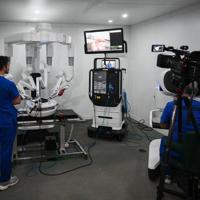
During recent trials aboard the TCG Anadolu, medical professionals on land utilized 5G technology to guide surgical teams in real-time. This arrangement allowed for complex surgeries to be performed at sea, showcasing the potential for robotic systems to operate effectively in unpredictable and resource-limited environments. As healthcare technology evolves, such systems could become standard practice in military operations and disaster relief efforts.
The Future of Healthcare Technology
The implications of integrating robotic surgery with 5G extend beyond maritime applications. As the healthcare industry continues to innovate, these technologies could revolutionize the way medical procedures are performed across various settings, including rural and underserved communities. The ability to connect specialists with patients remotely not only improves access to care but also enhances the quality of medical services delivered.
Moreover, as we see advancements in diagnostic equipment and surgical instruments, the potential for telemedicine and remote surgeries will likely expand. This shift could lead to a more integrated healthcare system, where patients receive timely interventions regardless of their geographical location.
Investing in the Future of Medical Equipment
For healthcare facilities, investing in cutting-edge medical devices and hospital equipment is crucial for staying competitive in an evolving landscape. Engaging with a reliable B2B marketplace like MellMed can provide access to the latest innovations in medical technology. Facilities can connect with manufacturers and explore a wide range of diagnostic and surgical equipment tailored to meet their specific needs.
As healthcare providers look to enhance their capabilities, understanding the importance of technologies like robotic surgery and 5G connectivity is vital. These advancements not only promise improved patient outcomes but also offer a means to efficiently manage resources during critical situations.
In conclusion, the integration of robotic surgery and 5G technology marks a transformative era in healthcare. As these technologies are further developed and implemented, they will undoubtedly play a pivotal role in providing superior medical care, especially in challenging environments like naval operations. By leveraging the latest advancements in medical equipment, healthcare providers can ensure they are prepared to meet the needs of patients, wherever they may be.
Source: Original article
Author
MellMed Editorial