
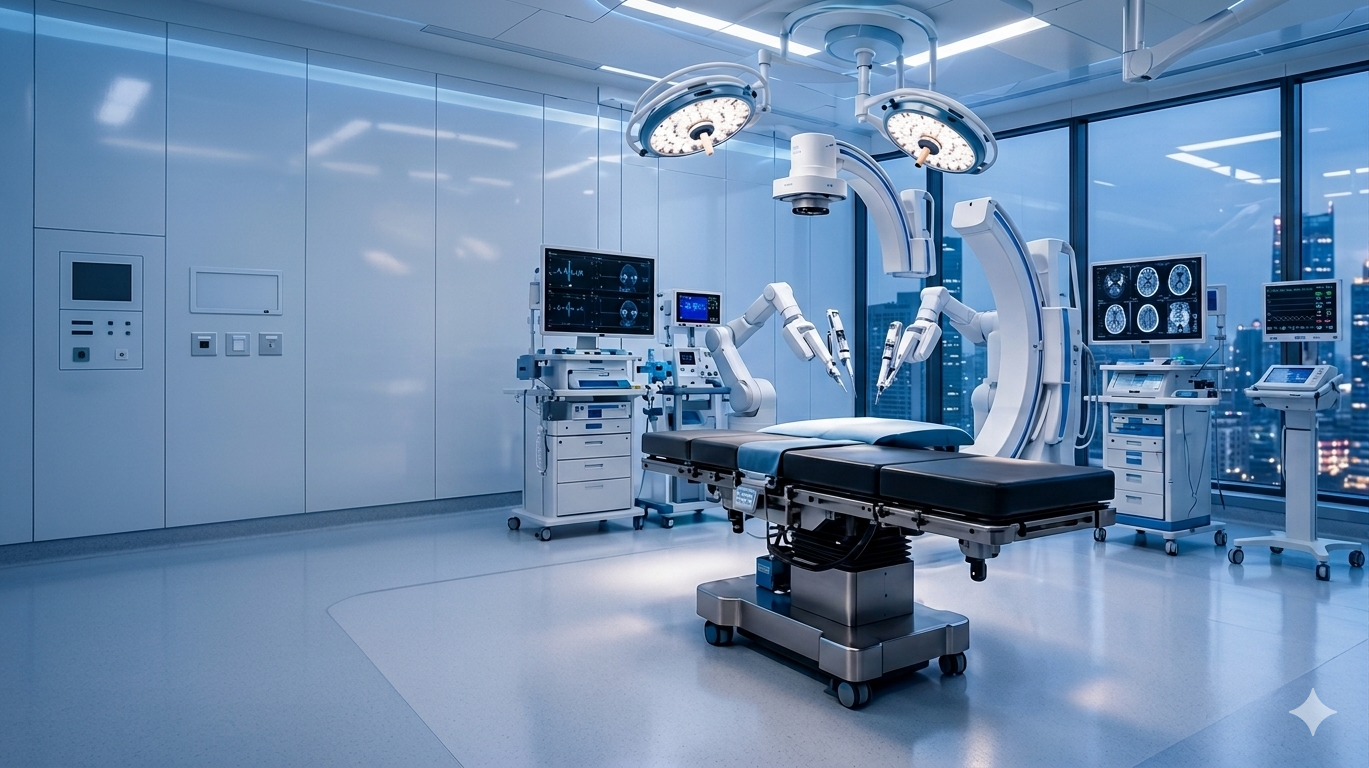
The Impact of Advanced Medical Devices on Healthcare Delivery
Explore how advanced medical devices are transforming healthcare delivery, improving diagnostics, and enhancing patient outcomes in hospitals and clinics.
In the rapidly evolving landscape of healthcare technology, advanced medical devices play a pivotal role in enhancing patient care, streamlining processes, and improving overall outcomes. From diagnostic equipment that provides critical insights to surgical instruments that facilitate complex procedures, these innovations are essential in modern medical practice. This article explores the importance of medical equipment and devices in healthcare delivery, emphasizing their contributions to efficiency and effectiveness in hospitals and clinics.
Revolutionizing Diagnostics with Advanced Medical Equipment
One of the most significant advancements in healthcare technology is the development of sophisticated diagnostic equipment. Devices such as MRI machines, CT scanners, and ultrasound systems have transformed the way healthcare professionals diagnose diseases and monitor patient health. These tools provide high-resolution images that allow for precise diagnosis, leading to more effective treatment plans.
For instance, MRI machines use powerful magnets and radio waves to create detailed images of organs and tissues, enabling early detection of conditions such as tumors or neurological disorders. This capability not only enhances patient outcomes but also reduces the need for invasive procedures since many conditions can be diagnosed non-invasively.
Enhancing Surgical Precision with Modern Surgical Instruments
In the realm of surgery, the integration of advanced surgical instruments has revolutionized the approach to operations. Minimally invasive techniques, supported by high-tech tools such as robotic surgery systems and laparoscopic instruments, have reduced recovery times and improved surgical precision.
- Robotic Surgery: Robotic surgical systems, such as the da Vinci Surgical System, allow surgeons to perform complex procedures with enhanced dexterity and visualization. This technology reduces the size of incisions, leading to less pain and quicker recovery for patients.
- Laparoscopic Instruments: These instruments enable surgeons to access the abdominal cavity through small incisions, minimizing trauma and promoting faster healing. The use of high-definition cameras also improves the surgeon's view, leading to more accurate interventions.
The impact of these surgical instruments extends beyond the operating room; they also contribute to patient safety and satisfaction. When patients experience fewer complications and shorter hospital stays, the overall cost of healthcare is reduced.
Streamlining Hospital Operations with Healthcare Technology
Beyond direct patient care, healthcare technology also enhances hospital operations. The integration of electronic health records (EHR) systems has streamlined the management of patient information, facilitating better communication among healthcare providers. These systems allow for quick access to patient history, treatment plans, and test results, ensuring that clinicians can make informed decisions promptly.
Additionally, advanced medical devices such as infusion pumps and patient monitoring systems enhance the quality of care delivered in hospitals. These devices automate medication delivery and monitor vital signs in real-time, alerting healthcare professionals to any changes that may require immediate intervention.
The Role of B2B Marketplaces in Advancing Medical Equipment Accessibility
The evolution of healthcare technology is also supported by B2B marketplaces like MellMed, which facilitate the buying and selling of medical devices and equipment. These platforms connect manufacturers, suppliers, and healthcare providers, ensuring that hospitals and clinics have access to the latest innovations in medical equipment.
By streamlining the procurement process, B2B marketplaces help healthcare facilities maintain their inventory with the most advanced medical devices, enhancing their ability to provide high-quality care. Furthermore, these platforms often feature detailed product specifications and user reviews, enabling healthcare professionals to make informed purchasing decisions.
Conclusion
In conclusion, the integration of advanced medical devices and healthcare technology is transforming the landscape of healthcare delivery. From improving diagnostic accuracy to enhancing surgical precision and streamlining hospital operations, these innovations are essential in providing high-quality patient care. As the demand for more efficient and effective healthcare solutions continues to grow, the collaboration between manufacturers, suppliers, and healthcare providers through platforms like MellMed will be crucial in advancing the accessibility and implementation of medical equipment in healthcare settings.
Source: Original article
Author
MellMed AI Editorial