
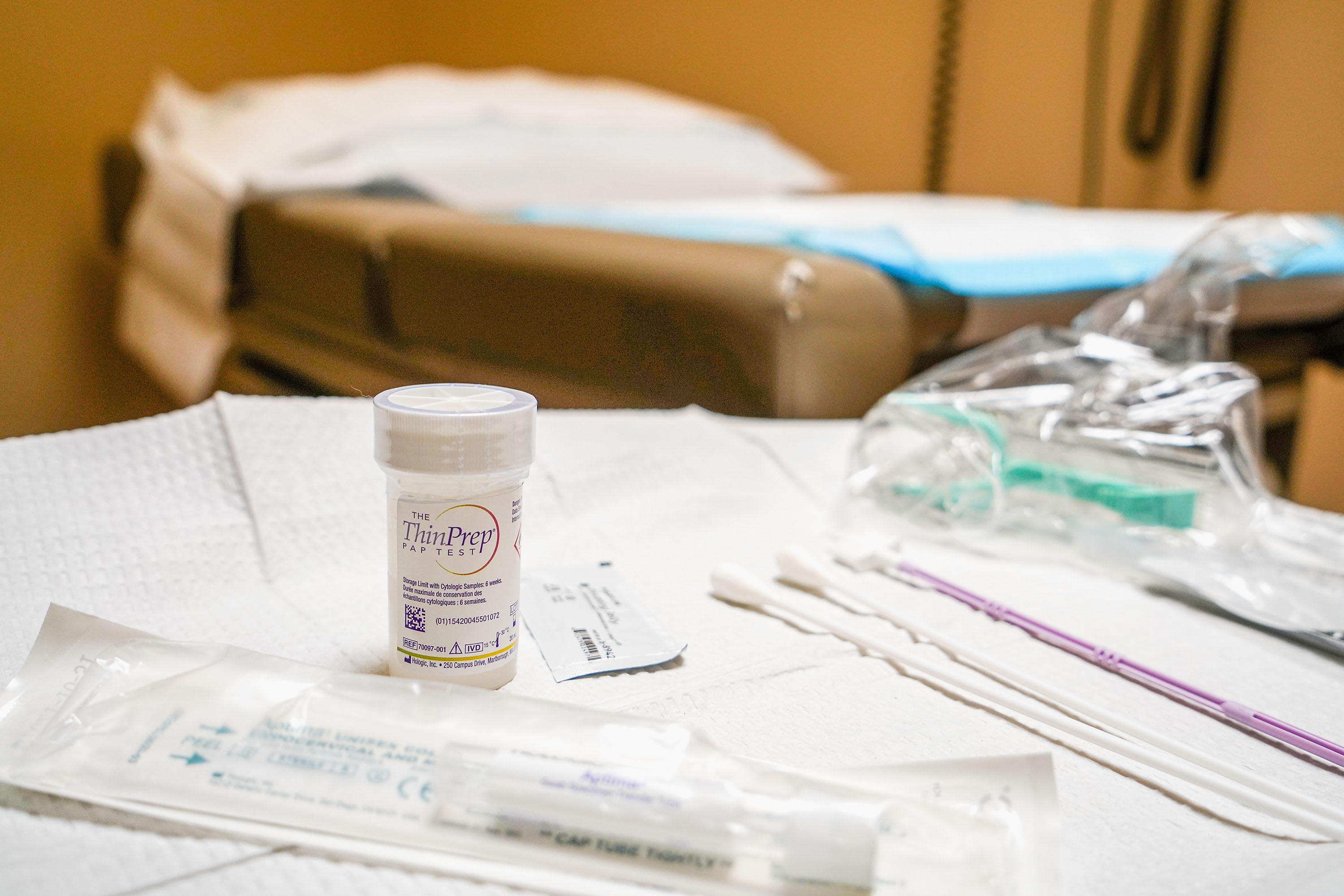
Advancements in Medical Technology: The Role of Self-Collection in Cervical Cancer Screening
Explore how innovative healthcare technology like self-collection kits is transforming cervical cancer screening and improving patient compliance.
Cervical cancer remains a significant health concern for women worldwide, with early detection being crucial for effective treatment. Recent studies have illuminated how healthcare technology can enhance screening processes. Specifically, the introduction of self-collection methods for human papillomavirus (HPV) testing has shown promising results in increasing the number of women who complete cervical cancer screening. This article delves into the significance of these advancements in medical devices and explores their implications for healthcare providers and patients alike.
Understanding Self-Collection for Cervical Cancer Screening
Self-collection refers to the option for women to collect samples for HPV testing from the comfort of their homes, rather than undergoing a traditional pelvic examination in a clinical setting. This method has been gaining traction in recent years, particularly as healthcare equipment and medical devices evolve to meet the needs of patients more effectively.
In traditional settings, many women avoid cervical cancer screenings due to discomfort, anxiety, or lack of access to healthcare facilities. However, studies indicate that when self-collection is offered, participation rates can significantly increase. The self-collection kits are designed to be user-friendly and provide accurate results comparable to those obtained through clinician-collected samples. This innovation is not only a breakthrough in medical technology but also a boon for public health.
The Impact of Healthcare Technology on Screening Rates
The new studies have shown that the implementation of self-collection kits for HPV testing leads to higher completion rates among women. In areas where this option is available, healthcare providers have noted a rise in screening compliance, particularly among demographics that have historically been underserved in cervical cancer screening initiatives.
Several factors contribute to this increase:
- Accessibility: Self-collection kits can be distributed through various channels, including pharmacies and online B2B marketplaces like MellMed. This makes it easier for women to obtain the necessary equipment for screening.
- Privacy and Comfort: Women often feel more at ease collecting samples in their own environment, which can reduce anxiety associated with medical examinations.
- Education and Awareness: With the rise of healthcare technology, educational resources regarding cervical health and the importance of regular screenings are more readily available, empowering women to take charge of their health.
These factors combined demonstrate how innovative medical devices and healthcare technology can transform traditional healthcare practices, ultimately leading to better health outcomes for women.
Future Implications for Medical Devices and Hospital Equipment
The success of self-collection methods in increasing cervical cancer screening rates opens the door for further advancements in medical devices and hospital equipment. As the healthcare landscape continues to evolve, we can anticipate several trends:
- Integration of Technology: The intersection of healthcare technology and diagnostics will likely lead to more sophisticated self-collection devices, improving accuracy and ease of use.
- Telehealth Expansion: With the growing acceptance of telehealth, patients may receive more guidance and follow-up care remotely, allowing for a more comprehensive approach to cervical health.
- Data Analytics: The use of data analytics in monitoring screening rates and patient outcomes will help healthcare providers identify gaps and tailor interventions to specific populations.
As we move forward, it is essential for healthcare professionals to stay informed about these advancements in medical technology and how they can enhance patient care. The role of self-collection in cervical cancer screening is just one example of how innovative solutions can address long-standing barriers in healthcare.
In conclusion, the integration of self-collection methods for cervical cancer screening represents a significant advancement in healthcare technology. By improving accessibility and comfort, these medical devices have the potential to increase screening rates and ultimately save lives. As we embrace these innovations, it is vital for healthcare providers and patients alike to advocate for the continued development and accessibility of such technologies in the fight against cervical cancer.
Source: Original article
Author
MellMed AI Editorial