
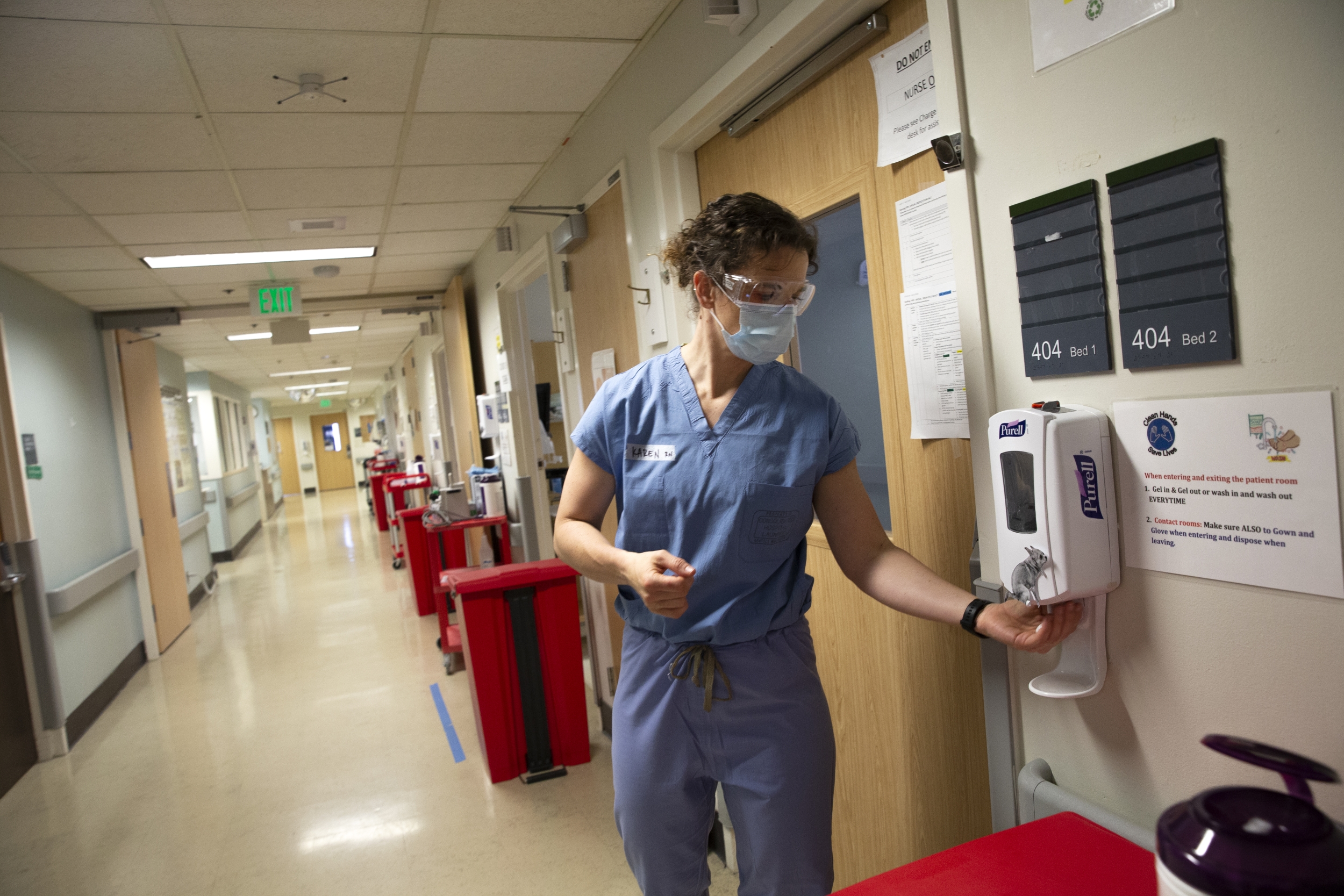
Advancements in Medical Technology: Reducing Hospital-Acquired Infections
Explore how innovative medical devices and healthcare technology are combating hospital-acquired infections, with a focus on the importance of maintaining progress in infection control.
In recent years, the healthcare industry has witnessed significant improvements in reducing hospital-acquired infections (HAIs). According to a study published by the CDC, hospital infection rates have decreased by 27% from 2015 to 2023. This remarkable progress is largely attributed to advancements in medical technology and the implementation of sophisticated healthcare equipment. However, with over 518,000 HAIs persisting in 2023, the challenge of maintaining this progress remains critical. In this article, we will explore how innovative medical devices and hospital technology are playing a crucial role in combating HAIs and enhancing patient safety.
Innovative Medical Devices for Infection Control
One of the primary drivers behind the reduction of HAIs is the introduction of innovative medical devices designed specifically for infection prevention. These devices not only improve patient outcomes but also enhance the overall efficiency of healthcare systems. Here are some key examples:
- Antimicrobial Surface Coatings: Many hospitals are now utilizing surfaces treated with antimicrobial agents. These coatings can significantly reduce the microbial load on frequently touched surfaces, thereby minimizing the risk of cross-contamination.
- Smart Surgical Instruments: Advanced surgical instruments equipped with sensors can monitor and provide real-time feedback during procedures. These devices can alert surgical teams to potential contamination risks, ensuring adherence to sterilization protocols.
- Automated Disinfection Systems: The use of robotic systems for cleaning and disinfecting hospital rooms is becoming increasingly common. These systems utilize ultraviolet (UV) light or hydrogen peroxide vapor to eliminate pathogens, ensuring a sterile environment for patients.
Healthcare Technology Enhancing Patient Safety
Beyond individual medical devices, healthcare technology as a whole is evolving to create safer hospital environments. Integration of data analytics and real-time monitoring systems is significantly contributing to infection control efforts. Here are some advancements in healthcare technology that are making a difference:
- Real-Time Patient Monitoring: Continuous monitoring of patients through wearable devices allows healthcare providers to detect early signs of infection. This proactive approach can lead to timely interventions and better management of potential outbreaks.
- Electronic Health Records (EHR): EHR systems now include alerts for infection control measures and protocols that healthcare providers must follow. This ensures that all team members are aware of the latest guidelines, reducing the likelihood of errors that can lead to HAIs.
- Predictive Analytics: By utilizing machine learning algorithms, hospitals can analyze large datasets to predict and prevent potential infection outbreaks. These insights help healthcare providers allocate resources efficiently and prioritize high-risk areas.
The Role of B2B Marketplaces in Advancing Medical Equipment
As healthcare facilities strive to maintain their progress in infection control, the role of B2B marketplaces like MellMed becomes increasingly important. These platforms provide healthcare organizations with access to a vast array of medical equipment and devices that can enhance their infection prevention strategies. By facilitating the procurement of innovative hospital equipment, MellMed enables healthcare providers to stay at the forefront of technology and ensure they have the necessary tools to combat HAIs effectively.
Additionally, B2B marketplaces often feature detailed product information, user reviews, and comparisons, allowing healthcare providers to make informed decisions when selecting medical devices. This transparency is essential in ensuring that the chosen equipment meets the highest standards for safety and efficacy.
Conclusion
While the reduction of hospital-acquired infections by 27% over the past eight years is a significant achievement, the healthcare industry must remain vigilant. The integration of innovative medical devices and advanced healthcare technology is vital in the ongoing battle against HAIs. By leveraging the resources available through B2B marketplaces like MellMed, healthcare providers can continue to enhance their infection control measures and improve patient safety. The journey toward a safer healthcare environment is ongoing, and with continued investment in medical technology, the future looks promising.
Source: Original article
Author
MellMed AI Editorial