
Understanding Medical Device Safety: The Importance of Vigilance in Healthcare Equipment
A deep dive into the significance of FDA recalls and the implications for medical devices and hospital equipment, emphasizing the ongoing need for safety in healthcare technology.
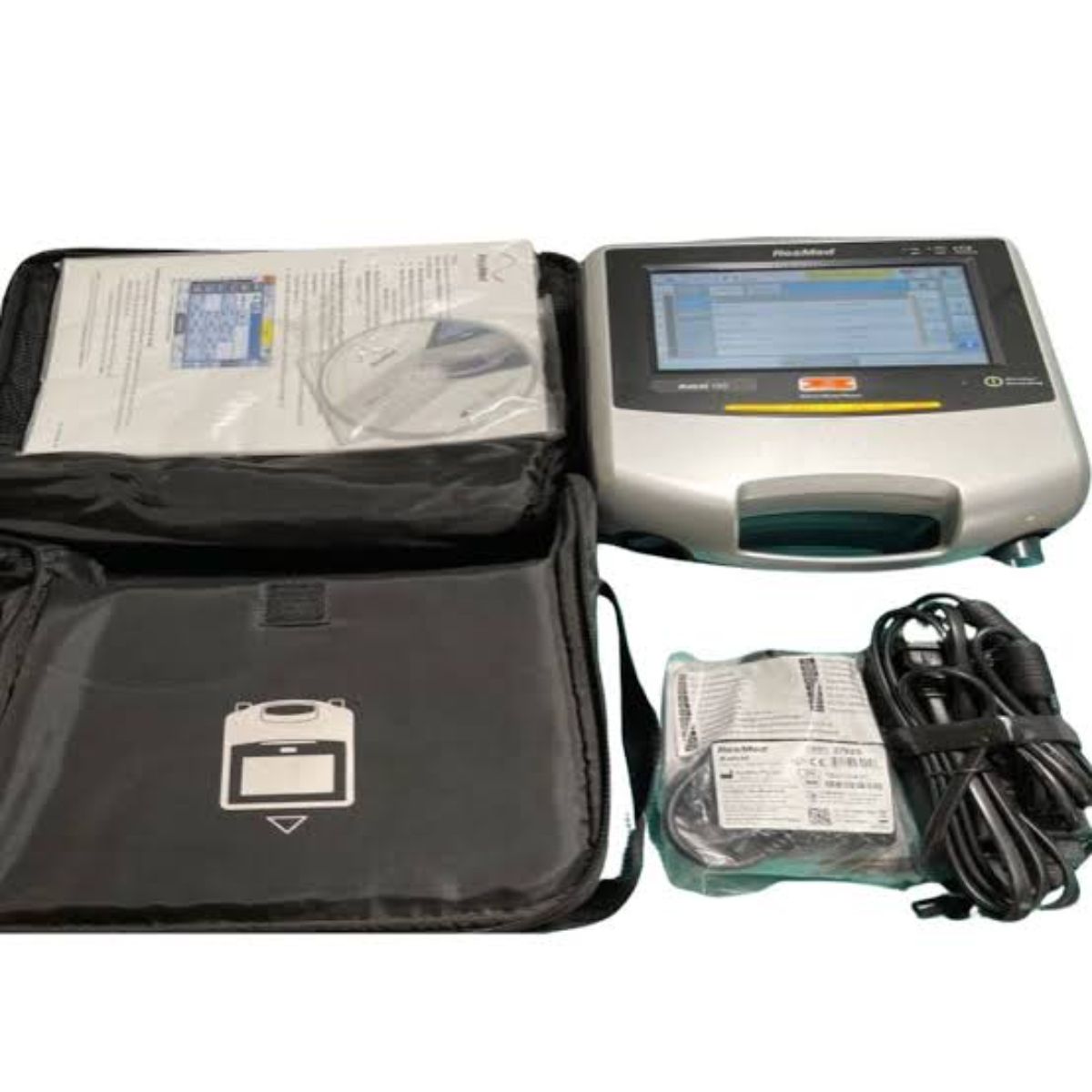
In the rapidly evolving world of healthcare technology, ensuring the safety and efficacy of medical devices is paramount. One of the most critical aspects of this process is the rigorous oversight provided by regulatory bodies such as the FDA. Recently, the FDA assigned a Class 1 recall to certain ResMed Astral ventilators, specifically the Astral 100 and 150 models. This classification is reserved for situations where there is a reasonable probability that the use of a product will cause serious adverse health consequences or death. In this article, we will explore the implications of such recalls, the importance of medical equipment safety, and how the healthcare industry can navigate these challenges effectively.
The Role of the FDA in Medical Device Regulation
The FDA plays a crucial role in overseeing the safety and effectiveness of medical devices and equipment. Through a comprehensive regulatory framework, the agency ensures that all medical devices, from surgical instruments to diagnostic equipment, meet stringent safety standards. When issues arise, such as potential defects or safety concerns, the FDA may issue a recall. A Class 1 recall is the most serious type, indicating imminent hazards that could lead to severe health risks.
For healthcare providers, understanding the implications of such recalls is essential. It is vital to stay informed about the status of medical devices used in patient care. In the case of the ResMed Astral ventilators, patients were advised not to discontinue use without consulting their healthcare providers. This highlights the complexity of medical device management, where the benefits of a device must be weighed against potential risks.
Impacts on Patient Care and Hospital Equipment Management
Recalls can significantly impact patient care, especially in critical situations where specific medical equipment, such as ventilators, is essential for life support. Healthcare facilities must have robust protocols in place to manage recalled equipment. This includes:
- Regular Monitoring: Healthcare providers should routinely check for updates on device recalls and safety warnings issued by the FDA.
- Staff Training: All personnel should be trained to understand the implications of recalls and how to respond appropriately.
- Inventory Management: Hospitals must maintain an accurate inventory of medical equipment and devices, facilitating quick identification of recalled items.
- Patient Communication: Clear communication with patients regarding any safety concerns is essential to maintain trust and ensure informed decision-making.
Moreover, the presence of a B2B marketplace like MellMed can be invaluable for healthcare facilities. Such platforms streamline the procurement of replacement devices and equipment, ensuring that hospitals can quickly find reliable alternatives if a device is recalled.
Future Directions in Medical Device Safety
As technology advances, the landscape of medical devices will continue to evolve. Future developments in hospital technology will likely focus on enhancing the safety and reliability of medical equipment. Key areas of innovation may include:
- Enhanced Monitoring Systems: The integration of IoT (Internet of Things) technology in medical devices allows for real-time monitoring, potentially alerting healthcare providers to malfunctions before they become critical.
- Improved Quality Control: Manufacturers are increasingly adopting more stringent quality control measures during the production of medical devices, reducing the likelihood of recalls.
- Data Analytics: Utilizing big data to analyze patterns in device performance can help predict potential failures and inform better design and manufacturing processes.
While recalls such as that of the ResMed Astral ventilators can be alarming, they also serve as crucial reminders of the importance of vigilance in the healthcare sector. By prioritizing safety and staying informed about medical devices and their status, healthcare providers can ensure the best outcomes for their patients.
In conclusion, the significance of medical device safety cannot be overstated. As the healthcare landscape continues to evolve, maintaining a focus on quality, safety, and effective communication will be vital to navigating the challenges posed by recalls and ensuring the continued effectiveness of medical equipment.
Source: Original article
Author
MellMed AI Editorial