
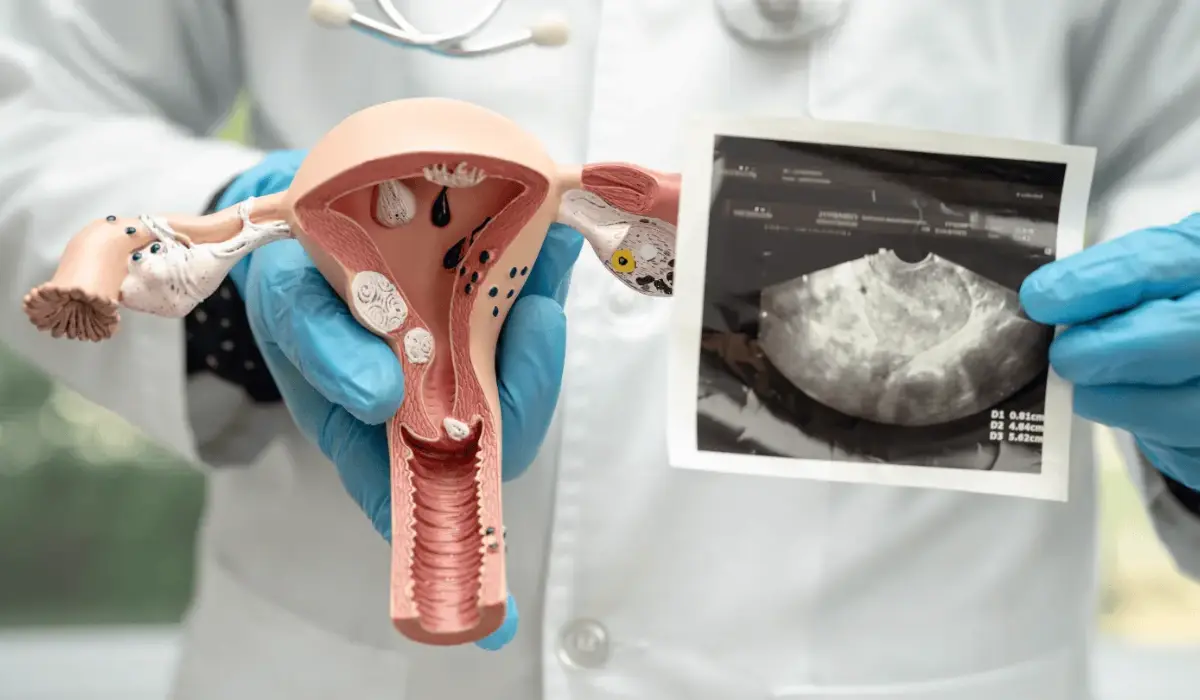
The Role of Ultrasound in Healthcare Technology: Advancements in Diagnostic Equipment
Explore the significance of ultrasound technology in the medical field, its applications in diagnostics, and how it enhances patient care in various healthcare settings.
Ultrasound technology has revolutionized the field of medical diagnostics, providing healthcare professionals with a non-invasive method to visualize internal organs and structures. This innovative medical equipment is not only pivotal in obstetrics but also plays a crucial role in various diagnostic applications, enhancing patient care and treatment outcomes. As we explore the advancements in ultrasound technology, we will delve into its significance in the realm of medical devices and healthcare technology.
Understanding Ultrasound Technology in the Medical Field
Ultrasound, also known as sonography, utilizes high-frequency sound waves to create images of the inside of the body. It is widely used in hospitals and clinics around the world for a variety of diagnostic purposes. The key advantages of ultrasound include its safety, as it does not involve ionizing radiation, and its ability to provide real-time imaging. This makes it an ideal tool for monitoring conditions and guiding medical procedures.
In the context of healthcare technology, ultrasound machines come equipped with advanced features that improve image quality and ease of use. Modern ultrasound devices are more portable and user-friendly, allowing for better accessibility in different healthcare settings. These advancements ensure that medical professionals can deliver timely and accurate diagnoses, thereby improving patient outcomes.
Applications of Ultrasound in Medical Diagnostics
- Obstetrics and Gynecology: Ultrasound is perhaps best known for its role in monitoring pregnancy. It provides critical information about fetal development, allowing healthcare providers to identify any potential issues early on.
- Cardiology: Ultrasound, particularly echocardiograms, is essential for assessing heart conditions. It helps in evaluating heart function, detecting abnormalities, and guiding treatment options.
- Abdominal Imaging: Ultrasound is commonly used to examine organs such as the liver, gallbladder, kidneys, and pancreas. It assists in diagnosing conditions like gallstones, liver disease, and kidney stones.
- Musculoskeletal Imaging: This technology helps in evaluating soft tissue injuries and conditions in muscles, tendons, and ligaments, aiding in the management of sports injuries and other musculoskeletal disorders.
- Vascular Imaging: Doppler ultrasound is utilized to assess blood flow in arteries and veins, which is crucial for diagnosing conditions like deep vein thrombosis (DVT) or arterial blockages.
The Future of Ultrasound in Healthcare Equipment
As technology continues to evolve, the future of ultrasound in the healthcare sector looks promising. Innovations such as portable ultrasound devices and smartphone-based systems are making this technology more accessible to healthcare providers, even in remote or underserved areas. These advancements not only democratize access to quality diagnostic equipment but also enhance the speed and efficiency of patient care.
Moreover, the integration of artificial intelligence (AI) in ultrasound imaging is set to further improve diagnostic accuracy. AI algorithms can assist in image interpretation, reducing the workload on healthcare professionals and minimizing the chances of human error. As a B2B marketplace like MellMed continues to expand its offerings, it is crucial to stay updated on the latest innovations in ultrasound technology and incorporate them into healthcare systems worldwide.
Additionally, ongoing research is exploring new applications of ultrasound beyond traditional uses. For instance, studies are investigating the potential of ultrasound in areas such as targeted drug delivery and tumor ablation, which could further enhance patient care and treatment efficacy.
Conclusion
Ultrasound technology stands at the forefront of medical diagnostics, offering a versatile and effective means of assessing various health conditions. Its non-invasive nature and real-time imaging capabilities make it an invaluable tool in healthcare settings. As advancements in medical devices continue to emerge, the role of ultrasound will likely expand, providing healthcare professionals with enhanced tools for diagnosis and treatment. By leveraging the latest in healthcare technology, organizations like MellMed are committed to improving patient outcomes and advancing the future of medical equipment.
Source: Original article
Author
MellMed AI Editorial