
The Impact of Early Medical Devices on Modern Healthcare Technology
Exploring the evolution of medical devices and their role in shaping modern healthcare technology, focusing on historical innovations like Alexander Graham Bell's metal detector.
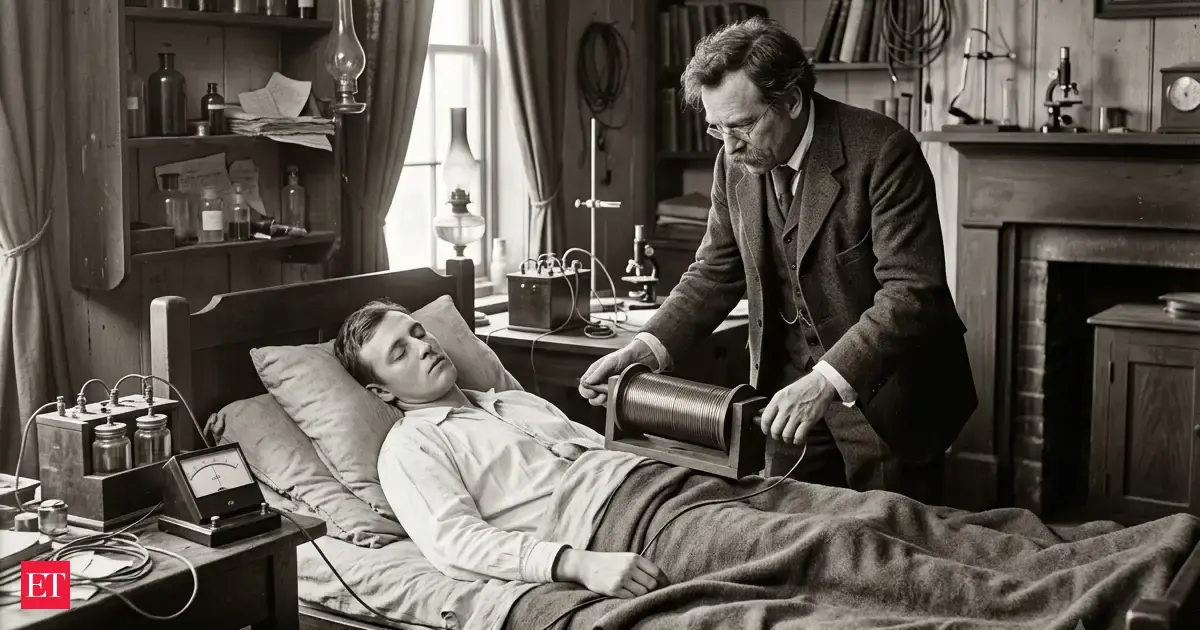
Throughout history, the evolution of medical devices and healthcare technology has transformed the way we approach diagnosis and treatment. From simple tools to complex machinery, innovations in medical equipment have significantly improved patient outcomes and saved countless lives. Among these early innovations is Alexander Graham Bell's metal detector, originally designed to locate a bullet lodged in the body of President James A. Garfield. Although the device did not succeed in its intended purpose, it paved the way for future advancements in medical technology that continue to benefit the healthcare industry today.
Historical Context of Medical Devices
The late 19th century marked a pivotal moment in the development of medical devices. The need for innovative solutions to complex medical problems became increasingly urgent. Bell’s creation of the metal detector in 1881 is a notable example of this trend. While it was designed to locate a bullet in the president's body, it also highlighted the limitations of medical technology at the time. The failure to save Garfield underscored the necessity for more effective diagnostic equipment, prompting further research and development in the field.
Prior to the advent of modern surgical instruments and diagnostic equipment, healthcare technology was rudimentary and often risky. However, Bell’s metal detector demonstrated the potential of technology to revolutionize medical practice. This early attempt at device innovation set the stage for a new era in healthcare, where engineers and medical professionals began collaborating to create more sophisticated medical devices.
Advancements in Diagnostic Equipment
Today, diagnostic equipment has evolved dramatically since the time of Bell. Modern medical devices are now equipped with advanced technology that allows for precise diagnosis and treatment. Innovations such as MRI machines, CT scans, and ultrasound devices have become staples in hospitals worldwide, improving the accuracy of medical assessments.
- Magnetic Resonance Imaging (MRI): This non-invasive imaging technique uses powerful magnets and radio waves to create detailed images of organs and tissues, aiding in the detection of various medical conditions.
- Computed Tomography (CT) Scans: CT scans provide cross-sectional images of the body, allowing for better visualization of internal structures and improved diagnostic capabilities.
- Ultrasound Devices: Utilizing sound waves to create images of internal organs, ultrasound technology is essential in fields such as obstetrics and cardiology.
The integration of these advanced diagnostic tools into healthcare systems has not only enhanced the precision of medical assessments but also improved patient care. With tools that deliver quick and accurate results, healthcare providers can make informed decisions that lead to better patient outcomes.
The Role of B2B Marketplaces in Medical Equipment Distribution
The growing demand for medical devices and healthcare technology has led to the emergence of B2B marketplaces like MellMed. These platforms facilitate the distribution of medical equipment, connecting manufacturers with healthcare providers efficiently. By leveraging technology, B2B marketplaces streamline the procurement process, ensuring that hospitals and clinics have access to the latest medical devices and surgical instruments.
MellMed, as a global B2B marketplace, plays a crucial role in this ecosystem. It enables healthcare providers to source high-quality medical devices from reputable manufacturers, ensuring that they have the tools necessary to deliver top-notch patient care. Additionally, such platforms often provide resources and support for understanding the latest advancements in medical equipment, further empowering healthcare professionals.
Conclusion
The journey from Alexander Graham Bell's early metal detector to today’s sophisticated medical devices illustrates the remarkable evolution of healthcare technology. While Bell’s device was unsuccessful in its immediate goal, it sparked an era of innovation that has led to groundbreaking advancements in medical equipment and diagnostic tools. As we continue to embrace technological advancements in healthcare, the collaboration between manufacturers, healthcare providers, and B2B marketplaces will be essential in shaping the future of medical devices and enhancing patient care.
Source: Original article
Author
MellMed AI Editorial