
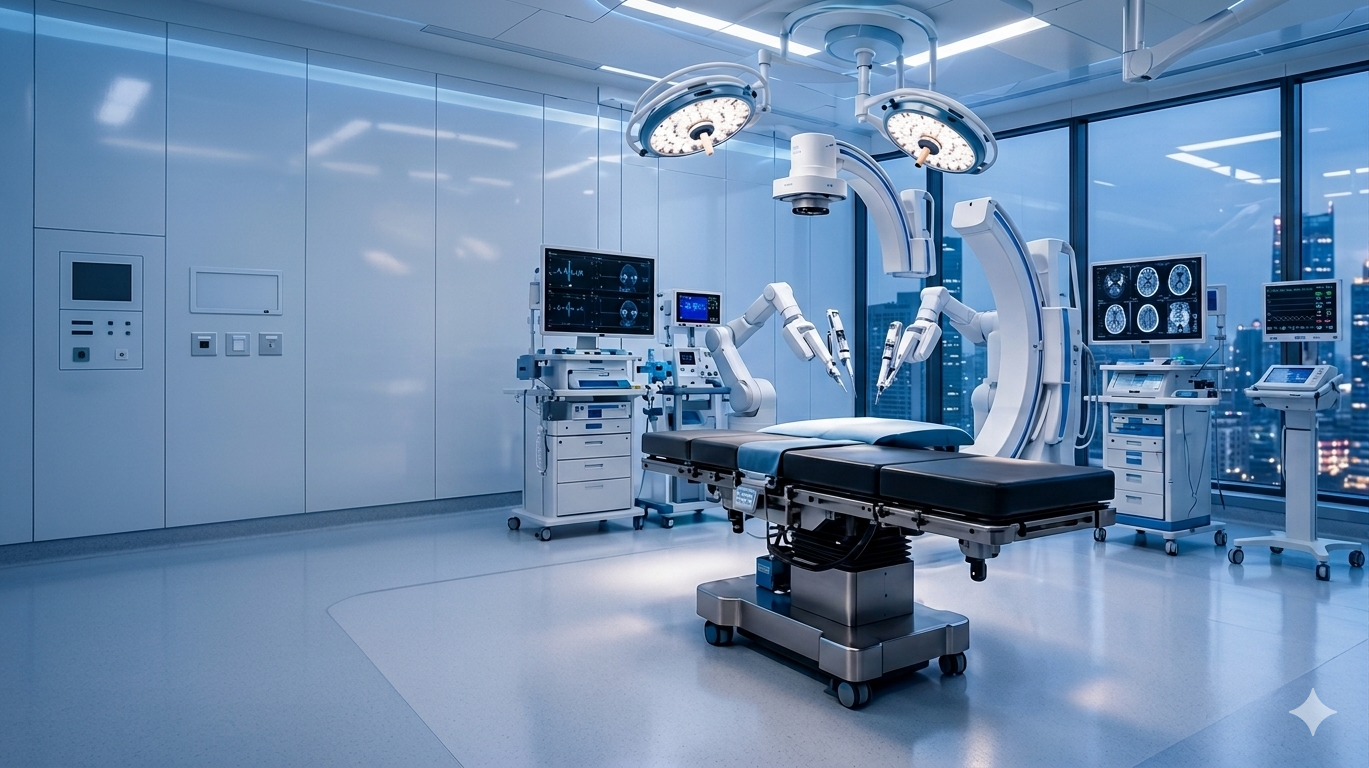
Advancements in Diagnostic Equipment for Managing Insulinomas
Explore the latest medical technology and diagnostic equipment advancements that aid in the detection and management of insulinomas, rare pancreatic tumors that can lead to severe hypoglycemia.
Insulinomas are rare tumors of the pancreas that can lead to serious health complications, including hypoglycemia, which may result in seizures. Understanding these tumors is crucial for effective management and treatment. Fortunately, advancements in medical technology have significantly improved the diagnosis and treatment of insulinomas, ensuring better patient outcomes. This article delves into the role of diagnostic equipment and healthcare technology in managing insulinomas, emphasizing the importance of medical devices in today’s healthcare landscape.
The Importance of Early Diagnosis in Insulinomas
Early diagnosis of insulinomas is essential for effective treatment. These tumors often go undiagnosed due to their rarity and the nonspecific symptoms they present, such as episodes of hypoglycemia, confusion, and even seizures. The role of advanced diagnostic equipment cannot be overstated in the timely identification of this condition.
Modern diagnostic equipment, such as CT scans, MRI, and ultrasound, have become invaluable tools in the detection of insulinomas. These imaging techniques allow healthcare professionals to visualize the pancreas and identify any abnormal growths. Additionally, endoscopic ultrasound can provide a closer look at the pancreas and surrounding tissues, aiding in precise diagnosis.
Innovations in Diagnostic Technology
Recent advancements in healthcare technology have led to the development of more sophisticated diagnostic devices. For instance, glucose monitoring systems are now equipped with real-time data analytics, which can help in monitoring blood sugar levels in patients suspected of having insulinomas. Continuous glucose monitoring (CGM) devices provide invaluable information that can assist healthcare providers in making informed decisions regarding treatment.
Furthermore, biomarker testing is gaining traction as a promising diagnostic approach. Research is underway to identify specific biomarkers associated with insulinomas, which could lead to blood tests that provide definitive diagnosis. This would eliminate the need for invasive procedures and allow for quicker identification of the tumors.
Medical Devices and Treatment Options
Once diagnosed, managing insulinomas typically involves surgical intervention, which highlights the importance of advanced surgical instruments and hospital equipment. The use of minimally invasive surgical techniques has revolutionized the treatment of insulinomas, allowing for quicker recovery times and reduced hospital stays.
Robotic-assisted surgery is a game changer in the field of surgical instruments. These systems offer precision and control that traditional surgical techniques may lack. Surgeons can perform delicate procedures on the pancreas with enhanced accuracy, minimizing damage to surrounding tissues and organs.
In addition to surgical options, medical devices that assist in the management of hypoglycemia are crucial for patients with insulinomas. For instance, insulin pumps and continuous glucose monitors enable patients to maintain stable blood sugar levels, reducing the risk of severe hypoglycemic episodes.
The Role of B2B Marketplaces in Advancing Medical Technology
As medical technology continues to evolve, the role of B2B marketplaces like MellMed becomes increasingly important. These platforms connect healthcare providers with manufacturers of medical equipment and devices, facilitating access to the latest innovations in diagnostic and surgical technology. By streamlining the procurement of medical devices, B2B marketplaces play a pivotal role in ensuring that healthcare facilities are equipped with the necessary tools to diagnose and treat conditions like insulinomas effectively.
Moreover, B2B marketplaces often provide educational resources and support for healthcare professionals, keeping them informed about the latest advancements in medical technology. This is vital for ensuring that patients receive the best possible care.
Conclusion
The management of insulinomas presents unique challenges, but advancements in diagnostic equipment and medical devices have paved the way for improved outcomes. Early diagnosis through modern imaging technologies, along with innovative treatment options facilitated by advanced surgical instruments, are critical in addressing this rare condition. As the healthcare landscape continues to evolve, platforms like MellMed will play a crucial role in ensuring that healthcare providers have access to the best medical technology available, ultimately leading to enhanced patient care.
Source: Original article
Author
MellMed AI Editorial